How to Order Beijing Hotpot Without Making the Table Too Heavy
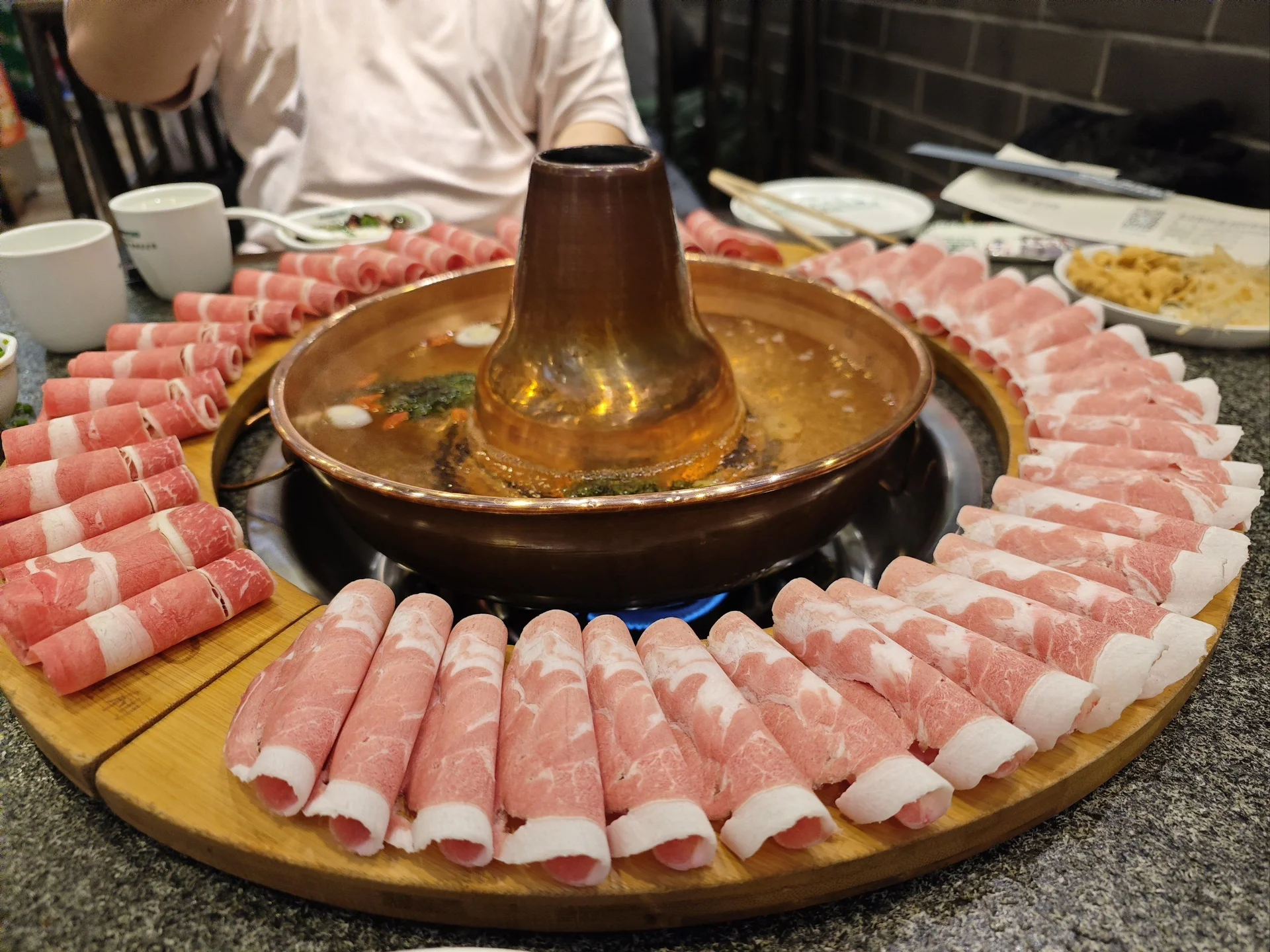
Beijing hotpot looks simple from the outside: a pot, sliced meat, sauce, vegetables, and friends around the table. But for a first-time visitor, it is also one of the easiest meals to overbuild. The menu can be long, the portions are hard to imagine, and every extra plate seems small until the table is full.
The best hotpot meal is not the one with the most plates. It is the one where the broth, meat, sauce, vegetables, tofu, and noodles arrive in a rhythm that makes sense. If you order with that rhythm in mind, Beijing hotpot feels generous without becoming heavy.
Start With the Pot Style
Before choosing side dishes, pay attention to the pot itself. Some Beijing hotpot meals are built around clear broth and sliced mutton. Others may involve richer lamb spine, stronger seasoning, or a split pot with different flavors. The pot style changes how much food you need around it.
A light copper-pot style meal can handle more vegetables and tofu because the broth stays clean. A richer lamb-based pot already brings more flavor and weight, so it often needs fewer heavy extras. If you are unsure, keep the first round simple and add later.
Do Not Order Everything at Once
Hotpot menus encourage fast decisions, but you do not need to fill the whole table immediately. Order the main meat, one or two vegetables, one tofu or mushroom item, and maybe one staple for later. That is enough to begin.
This is especially useful if you are eating after a day of snacks. The earlier note on avoiding overordering in Beijing restaurants applies directly to hotpot because the meal grows plate by plate.
Choose Meat First, Then Build Around It
In many Beijing hotpot meals, sliced mutton or lamb is the center. If you order several meat plates immediately, the rest of the meal can become too rich. Start with one main meat choice, then use vegetables and tofu to create balance.
Leafy greens, mushrooms, tofu, frozen tofu, and simple vegetables help break up the richness. They also make the meal last longer without making every bite feel the same. If the group still has appetite, order a second meat plate later.
Think of Sauce as Part of the Meal
Sauce is not just a small detail. Sesame paste, fermented tofu, leek flower, chili oil, garlic, cilantro, and scallion can make each bite stronger. A heavy sauce can make a light pot feel filling very quickly.
If this is your first time, start with a modest sauce bowl. You can always add more chili, garlic, or herbs. Too much sesame paste at the beginning can make the meal feel heavy before the vegetables and tofu even arrive.
Use Photos Carefully
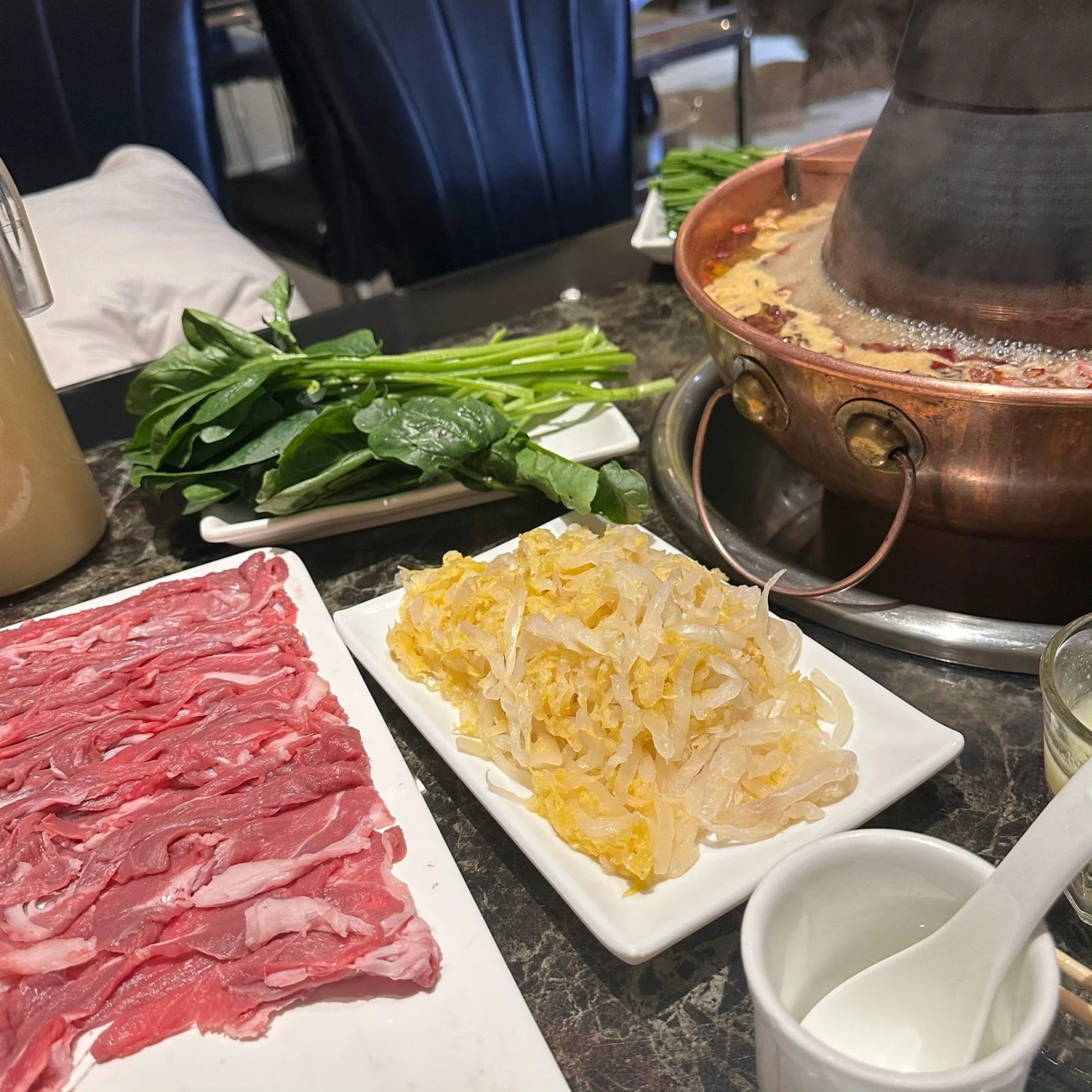
Menu photos can make hotpot portions look smaller than they are. A plate of thin-sliced meat may look light in a picture, but it can be rich when cooked and dipped in sesame sauce. A vegetable basket may look simple, but it takes space and time at the table.
If you are judging from pictures, look for the plate size, the thickness of the slices, and whether the photo shows a single order or a styled serving. The guide on reading Beijing food photos before ordering is helpful because hotpot images often show ingredients before they become a full meal.
Save Noodles and Staples for the End
Noodles, dumplings, rice cakes, or other staples are tempting, but they are usually better near the end. If you add them too early, they fill the pot and your appetite before the main ingredients have had time to shine.
A small noodle order can be a good finish after the meat and vegetables. It absorbs broth flavor and gives the meal a clear ending. But if you already ordered several plates of meat, tofu, and greens, you may not need a staple at all.
Hotpot Is a Shared Meal, Not a Checklist
One reason hotpot feels difficult for visitors is that the menu can look like a checklist. Meat, mushrooms, tofu, greens, sauce, noodles, snacks, drinks: everything seems important. But a good hotpot meal depends on sequence, not completion.
This is similar to planning Peking duck as a real meal instead of a quick extra. The post on when to order Peking Duck in Beijing makes the same point from another angle: some Beijing foods need space at the table.
A Simple First Order
For two people, a careful first order might be one pot, one main meat plate, one leafy green, one tofu or mushroom item, and sauce. If you are still hungry after that, add another meat plate or a small staple.
For three or four people, add one more vegetable and one more supporting dish, but still avoid ordering the whole menu at the start. Hotpot is flexible. The meal works better when you let the table tell you what is missing.
The Main Rule
Order Beijing hotpot in layers. Start with the pot, choose the main meat, balance it with vegetables and tofu, keep sauce under control, and leave noodles for later. This makes the meal easier to enjoy and easier to finish.
When the table has room to breathe, hotpot becomes one of the most comfortable Beijing meals: warm, social, flexible, and full of small choices that make sense one round at a time.


Comments
Post a Comment