How to Use a Beijing Food Menu When You Do Not Read Chinese
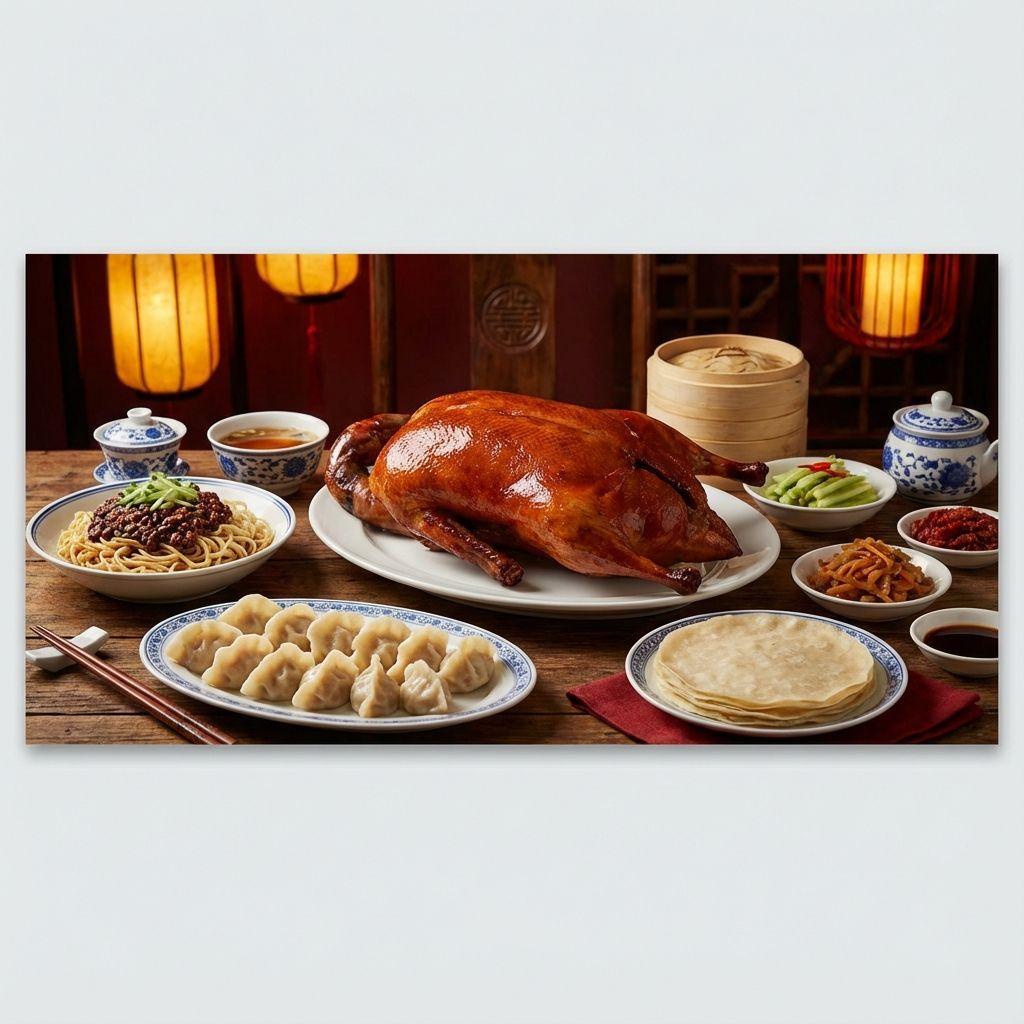
Ordering food in Beijing can be exciting, but it can also be confusing if you do not read Chinese. A restaurant menu may show beautiful photos, but the dish name, cooking method, portion size, spice level, and eating style are not always obvious from the picture alone. A traveler may recognize noodles, meat, or soup, but still wonder whether the dish is a breakfast snack, a shared hotpot meal, a famous Beijing specialty, or something better ordered with a group.
A useful Beijing food menu should do more than translate dish names. It should help you understand what kind of meal you are choosing, how the dish is usually eaten, what flavors to expect, and whether it is suitable for a quick solo meal, a morning snack, or a longer dinner with friends.
For a broader dish-by-dish reference, readers can use Beijing Food Menu as a practical Beijing food guide before visiting restaurants, hutong snack shops, breakfast counters, or hotpot places.
Why Beijing Menus Can Be Difficult for Visitors
Many Beijing dishes are not named in a simple ingredient-plus-method format. Some names carry local history. Some describe shape or texture. Some refer to a sauce, a cooking vessel, a regional tradition, or a street-food habit. A direct translation may be technically correct but still not helpful at the table.
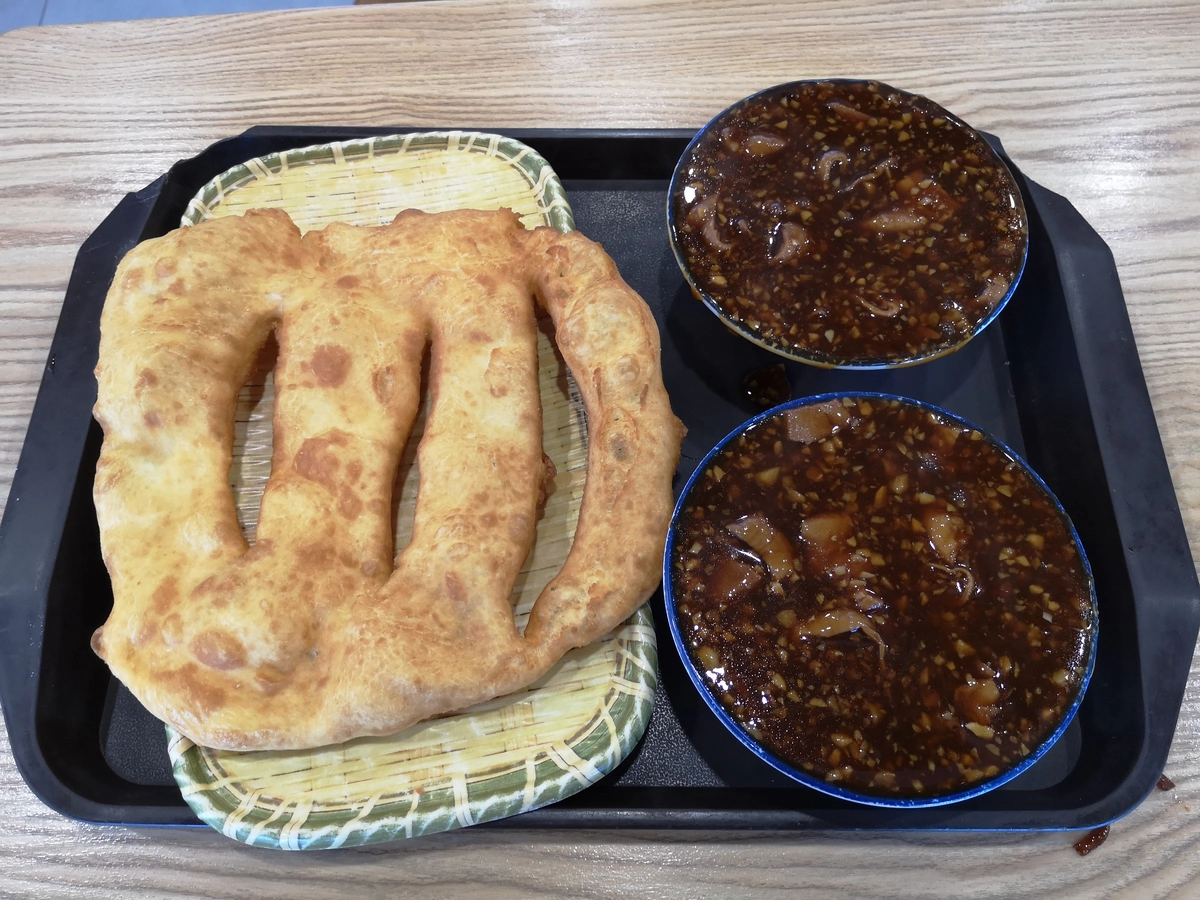
For example, a visitor may see zhajiangmian and understand that it is a noodle dish, but the important details are the fried soybean paste sauce, fresh vegetable toppings, mixing method, and strong savory flavor. Another traveler may see douzhi on a breakfast menu and assume it is a simple bean drink, without realizing that it has a sour fermented taste and is often paired with crispy jiaoquan. Peking duck looks easier to understand from photos, but the ordering sequence, pancakes, sauce, scallions, cucumber, and carving style still matter.
This is why the best way to read a Beijing menu is to look for context: meal type, main ingredient, cooking style, sauce, and how locals usually eat the dish.
Start With the Type of Meal
Before choosing a dish, first ask what kind of meal you are having. Beijing food changes a lot by time of day and dining format.
- Breakfast: jianbing, baozi, douzhi, jiaoquan, youtiao, shaobing, chaogan, and other quick morning foods.
- Noodles and simple meals: zhajiangmian, noodle soups, cold noodles, and other wheat-based dishes that work well for one person.
- Restaurant classics: Peking duck, stir-fried dishes, cold appetizers, lamb dishes, and shared plates.
- Hotpot meals: instant-boiled mutton, lamb spine hotpot, sesame paste dipping sauce, vegetables, tofu, and noodles added in stages.
- Street snacks: tanghulu, jiaoquan, fried snacks, skewers, pancakes, and small bites that are often eaten while walking or between meals.
If you can identify the meal type, the menu becomes less intimidating. You do not need to understand every word at once. You only need to know whether you are choosing a quick snack, a single-person staple, or a shared meal.
Look for the Main Ingredient and Format
The next useful step is to identify the main ingredient and the format. Is the dish based on wheat noodles, pancakes, lamb, duck, pork, tofu, fermented beans, or vegetables? Is it dry, soupy, fried, roasted, boiled, dipped, wrapped, or mixed?
This matters because Beijing food is strongly shaped by northern wheat culture. Many dishes are built around noodles, pancakes, buns, flatbreads, dumplings, and other wheat staples. Even when meat is the highlight, the meal often includes pancakes, noodles, sesame sauce, or bread-like sides.
For travelers, a simple mental checklist helps:
- Is it a noodle, pancake, bun, soup, hotpot, or snack?
- Is it eaten alone or shared by the table?
- Does it come with sauce or dipping ingredients?
- Is it a breakfast item or a full restaurant dish?
- Does the photo show a small snack, a large plate, or a whole pot?
Do Not Judge Only by the Photo
Photos are useful, but they can hide important details. A bowl of noodles may look simple but carry a strong bean paste flavor. A pale drink may look mild but taste fermented and sour. A red hotpot broth may be spicy, but a clear broth can still have a strong lamb aroma. A small fried ring may not look important, yet it may be the classic partner for a very local breakfast drink.
When using a Beijing menu, pay attention to the words around the image. If you see references to sesame paste, fermented tofu, leek flower sauce, yellow soybean paste, mutton, duck, crispy cracker, hawthorn, or hotpot, those words tell you more than the photo alone.
Beginner-Friendly Beijing Foods to Understand First
If you are new to Beijing food, start with dishes that teach you the local food system without requiring too much risk. Peking duck helps explain wrapping, sauce, and shared dining. Zhajiang noodles show how Beijing uses wheat noodles and savory bean paste. Jianbing introduces breakfast-stall rhythm and sauce choices. Baozi is an easy breakfast order. Tanghulu is a simple street snack with a clear sweet-and-sour flavor.
After that, you can move into more local or stronger-flavored foods such as douzhi, jiaoquan, chaogan, lamb spine hotpot, and copper-pot instant-boiled mutton. These dishes are valuable because they show Beijing food culture more deeply, but first-time visitors may enjoy them more when they understand the context before ordering.
To browse classic foods by category, use the Beijing Food Menu dish guide, which organizes signature dishes, breakfast items, hotpot styles, snacks, and local topics in one place.
A Practical Way to Choose What to Order
If you are planning a meal, start with the situation. Are you looking for breakfast before sightseeing, a famous dish for dinner, a local snack in a hutong area, or a warming meal in winter? The answer will narrow the menu quickly.
If you are already sitting in a restaurant, use this order of thinking:
- Identify the dish type: noodle, pancake, bun, soup, hotpot, roast duck, snack, or cold dish.
- Check whether it is for one person or for sharing.
- Look for sauce words, spice words, and meat words.
- Ask whether it is breakfast-style, street-style, or restaurant-style.
- When unsure, choose one familiar dish and one local dish instead of ordering everything at once.
This approach makes Beijing menus less stressful. You do not need to become an expert in Chinese food vocabulary. You only need enough context to make a confident choice.
Useful Menu Questions to Ask
Even if you do not speak much Chinese, a few simple questions can help. You can ask whether a dish is spicy, whether it is large enough for sharing, whether it comes with rice, noodles, pancakes, or dipping sauce, and whether it is usually eaten for breakfast or dinner. In many casual restaurants, pointing to a photo and asking for the most popular option is also practical.
For hotpot, ask whether the broth is clear, spicy, or split. For duck, ask how many people the order serves. For noodles, ask whether the sauce is mixed in or served separately. For street snacks, watch what other customers order and choose the item that is being made fresh.
First Meal Ideas for Different Travelers
For a gentle first meal, choose jianbing or baozi at breakfast, then try zhajiang noodles for lunch. For a classic restaurant experience, order Peking duck with pancakes and a few vegetable sides. For cold weather, try a Beijing hotpot meal with sesame paste dipping sauce. For street food, start with tanghulu or a fresh pancake snack before moving into stronger local flavors.
The goal is simple: enjoy Beijing food with less guessing and more context. If a menu looks unfamiliar, that does not mean the meal has to be difficult. With a few clear clues, a Beijing food menu becomes a map of local flavor, dining habits, and everyday food culture.


Comments
Post a Comment