A Simple Beijing Food Day: Breakfast, Noodles, and a Street Snack Without Overordering
A food day in Beijing does not need to be complicated. Many first-time visitors make the same mistake: they try to fit famous dishes, street snacks, noodles, hotpot, roast duck, and local breakfast into one day. That sounds exciting, but it usually leads to heavy meals, rushed choices, and less enjoyment.
A better plan is to choose a few foods that fit the time of day. Start with a breakfast item, move into a simple noodle meal later, and save a small street snack for a walk. This gives you variety without forcing every famous dish into the same schedule.
Morning: Start With Something Easy
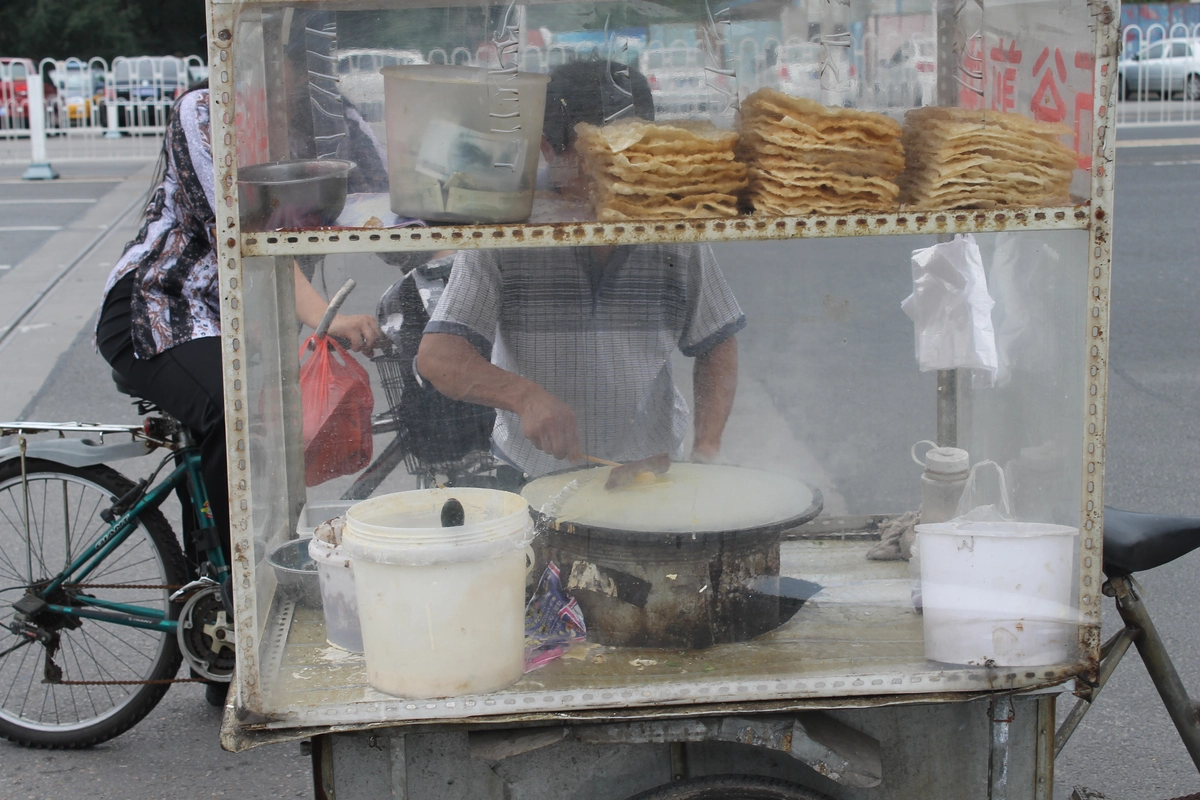
Breakfast is the best place to begin because Beijing morning food is fast, practical, and easy to watch being made. Jianbing is a strong first choice because the cooking process happens in front of you. Baozi are also simple because you can point, choose a few pieces, and pair them with a warm drink or porridge.
If you have not tried local breakfast before, avoid ordering too many unfamiliar items on the first morning. Choose one safe option and one small local item if you feel curious. The guide to what to order for a first Beijing breakfast is a good starting point if you want to understand jianbing, baozi, douzhi, jiaoquan, and other morning choices.
The goal of breakfast is not to eat the whole menu. It is to learn how the counter works, how fast the food moves, and which items feel comfortable for your first local meal.
Midday: Choose One Filling Bowl
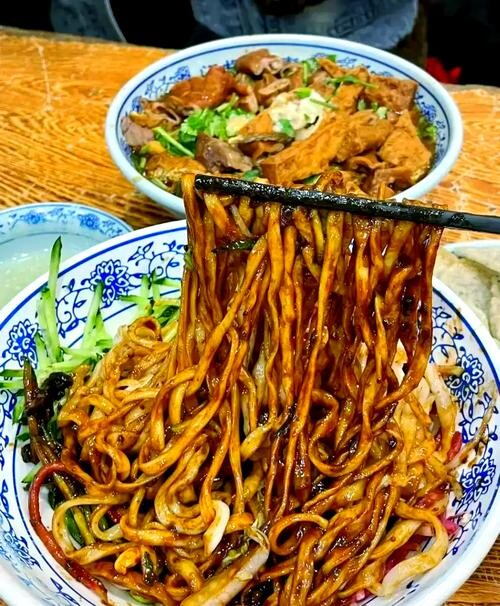
After a morning walk or sightseeing stop, a noodle bowl can be more practical than a large restaurant meal. Zhajiangmian is especially useful because it is filling, local, and usually works as a one-person lunch. It has noodles, sauce, and fresh toppings in one bowl.
The most important thing is to understand that zhajiangmian is a mixing dish. Do not eat only the top layer or only the noodles. Mix the sauce, noodles, and vegetables together until the flavor is spread through the bowl. If the sauce comes separately, add it gradually, especially if you are sensitive to salty flavors.
For more detail on the sauce, toppings, and menu clues, use the recent guide to ordering zhajiangmian in Beijing. It explains why the vegetables are not just decoration and how the sauce changes the whole bowl.
Afternoon: Keep the Snack Small
By the afternoon, you probably do not need another heavy dish. This is where a small street snack makes sense. Tanghulu is easy to recognize, easy to buy, and easy to eat while walking. It gives you a sweet-and-sour break without turning into a full meal.
Tanghulu is best when the sugar shell is crisp and the fruit is fresh. Cold weather helps the coating stay firm, but even on a normal day you can look for a skewer that appears clear, glossy, and not sticky. Classic hawthorn is the most traditional version, while mixed fruit versions are often milder.
If you want buying tips before trying it, read the post on how to buy tanghulu in Beijing. It is a useful snack to understand because it shows how Beijing street food can be visual, seasonal, and easy to approach.
Why This Order Works
This simple sequence works because each food has a different job. Breakfast gives you a local start without taking too much time. Noodles give you a filling midday meal. A small street snack gives you flavor and memory without making the day too heavy.
It also avoids a common travel problem: eating too many famous foods at the wrong time. Peking duck, hotpot, and lamb dishes can be excellent, but they are better when you have time, appetite, and a group. A first food day should build confidence, not exhaustion.
How to Adjust the Plan
If you prefer a lighter morning, choose soy milk and baozi instead of jianbing. If you want a more adventurous breakfast, try a small amount of douzhi with jiaoquan. If noodles feel too heavy at lunch, share a bowl or choose a lighter snack-shop meal.
If tanghulu feels too sweet, replace it with another small snack. The important point is the structure: one morning food, one simple meal, one small snack. That is enough to make the day feel local without overloading your stomach.
Menu Clues to Watch During the Day
- Morning counters: look for steam, fresh cooking, and quick customer turnover.
- Noodle shops: look for sauce, toppings, and whether the bowl is meant to be mixed.
- Street snacks: look for freshness, texture, and whether the item is best eaten immediately.
- Portion size: one dish can often be enough if you plan to snack later.
- Timing: breakfast foods, lunch bowls, and walking snacks each fit a different part of the day.
A Practical First-Day Food Route
Start with jianbing or baozi in the morning. Choose zhajiangmian around lunch when you want something filling but not formal. Later, buy tanghulu during a walk if it looks fresh. That is already a complete Beijing food day.
You can save bigger meals for another day. Peking duck deserves time. Hotpot deserves appetite. A snack street deserves curiosity but not panic. The best food plan is not the one with the longest checklist. It is the one that lets you taste, notice, and still enjoy the next meal.


Comments
Post a Comment