How to Order Zhajiangmian in Beijing: Sauce, Toppings, and Menu Clues
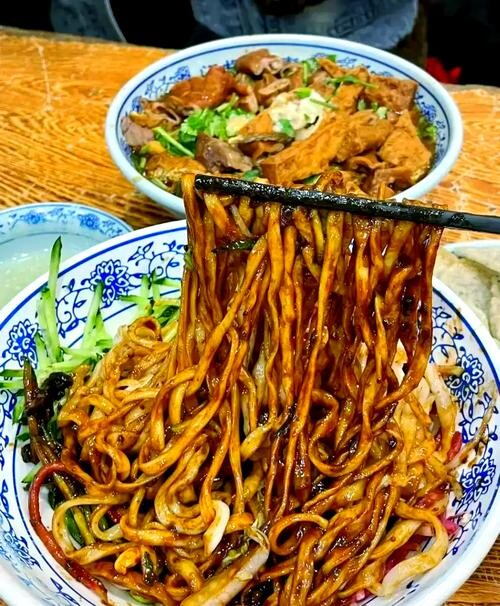
Zhajiangmian is one of the most useful Beijing dishes for travelers to understand because it appears simple but has several details that matter at the table. The bowl is usually built around wheat noodles, a dark fried soybean paste sauce, and fresh vegetable toppings. Once everything is mixed together, the flavor becomes salty, savory, slightly sweet, and very satisfying.
If you are still getting familiar with Chinese dish names and menu photos, it helps to start with a broader approach to using a Beijing food menu when you do not read Chinese. Zhajiangmian is a good next step because the dish teaches you how Beijing menus often combine a staple food, a sauce, and small supporting ingredients into one complete meal.
What Zhajiangmian Means on a Menu
The word zhajiangmian points to noodles served with fried sauce. In Beijing, the sauce is usually made with yellow soybean paste, sometimes balanced with sweet bean sauce, pork or diced meat, aromatics, and oil. The sauce is not a thin soup. It is thick, concentrated, and meant to coat the noodles after mixing.
The important thing for travelers is that zhajiangmian is not just a plain noodle dish. It is a mixing dish. If the sauce, noodles, and toppings arrive separately or partly separated, that is normal. The flavor comes together after you stir everything well.
For a full dish reference, see the main guide to Zhajiang Noodles in Beijing, which explains sauce, toppings, noodle texture, and local flavor in more detail.
Look for the Sauce First
When you see zhajiangmian on a menu, the sauce is the first clue. A good bowl should have enough sauce to coat the noodles but not so much that it becomes heavy and salty. The sauce may look dark brown, glossy, and thick. It may include small pieces of pork or diced meat, depending on the restaurant.
Some restaurants serve a stronger, saltier sauce. Others make it slightly sweeter or more aromatic. If you are sensitive to salt, mix gradually instead of adding all the sauce at once. If the sauce comes in a small bowl, add part of it, mix, taste, and then decide whether to add more.
Fresh Toppings Are Not Decoration
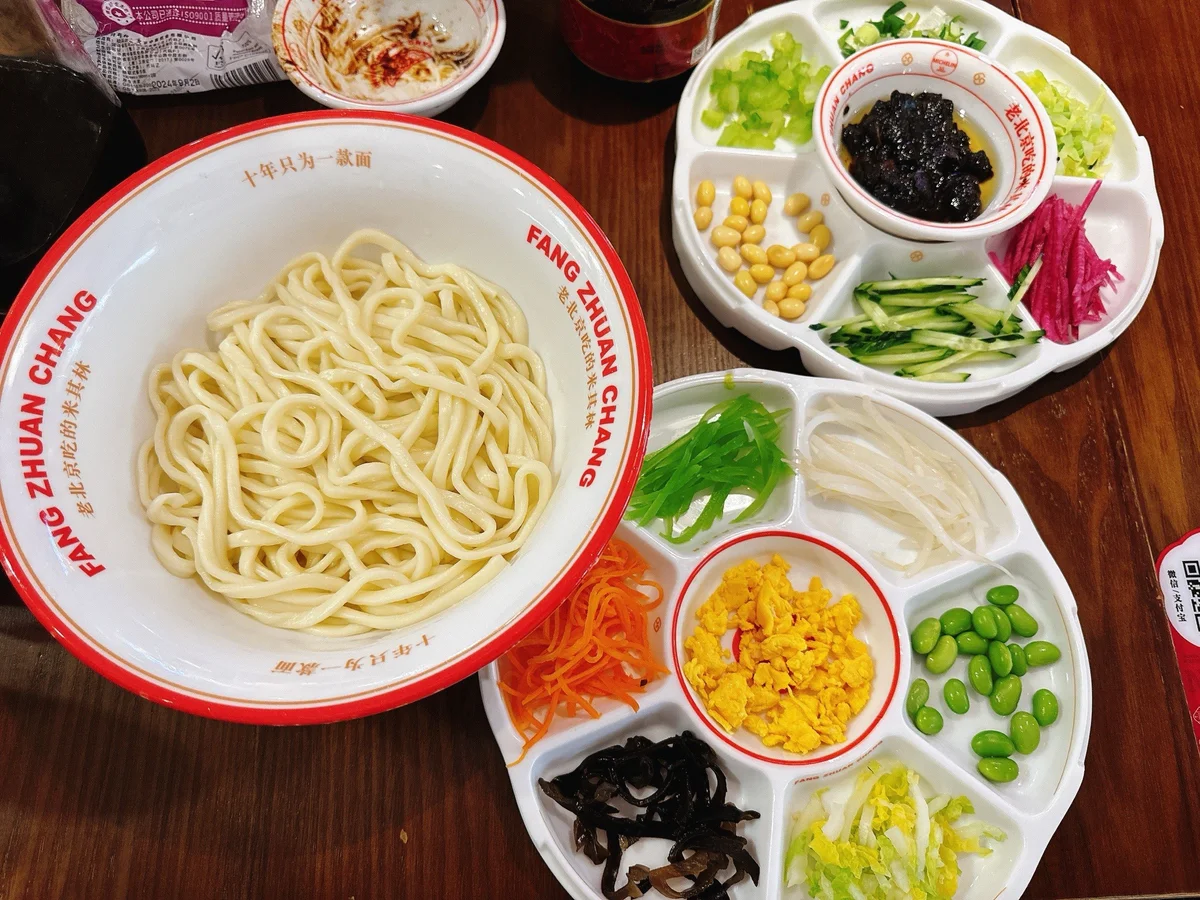
The toppings matter more than many visitors expect. Cucumber strips, radish, bean sprouts, soybeans, cabbage, celery, or other vegetables help balance the sauce. They add crunch, freshness, and water content to a dish that would otherwise be very dense.
In Beijing-style zhajiangmian, toppings are not just garnish. They change the texture of every bite. A bowl with fresh cucumber and bean sprouts feels lighter than a bowl with only noodles and sauce. This is why a good menu photo often shows vegetables arranged around or on top of the noodles.
If you want to understand the vegetable side of the dish better, the guide to zhajiang noodle toppings explains why fresh toppings are important in Beijing style.
How to Mix the Bowl
After the bowl arrives, do not eat only the top layer. Use chopsticks to lift the noodles from the bottom and fold the sauce through the bowl. The goal is to coat the noodles evenly while keeping the toppings distributed. If the noodles are firm, mixing may take a little effort.
A practical method is to stir from the edge first, then lift the noodles through the center. If the bowl is very full, mix slowly to avoid spilling sauce. When the color becomes more even and the vegetables are spread through the noodles, the bowl is ready.
Is Zhajiangmian a Breakfast, Lunch, or Dinner Dish?
Zhajiangmian is flexible, but it is usually more of a simple meal than a breakfast snack. It works well for lunch, a casual dinner, or a quick single-person meal between sightseeing stops. If yesterday's breakfast choices such as jianbing or baozi felt easy, zhajiangmian is a natural next dish to try later in the day. The recent guide to what to order for a first Beijing breakfast covers those morning options; zhajiangmian belongs to a slightly different eating rhythm.
Because it is noodle-based and filling, it is useful when you want something local but do not want to manage a large shared restaurant meal. One bowl can be enough for one person.
Menu Clues That Help
- Noodles: look for a bowl format rather than a soup pot or shared plate.
- Fried sauce: the sauce should be dark, thick, and savory.
- Vegetables: cucumber, radish, sprouts, soybeans, or greens help balance the sauce.
- Mixing: if sauce and toppings are separate, that is part of the dish.
- Portion size: one bowl is usually enough for one person.
Beginner Ordering Tips
If you are ordering zhajiangmian for the first time, choose a restaurant or noodle shop where other customers are eating the same dish. A place with steady turnover is more likely to serve fresh noodles and crisp toppings. If there are pictures, choose the bowl with visible vegetables and a separate or clear layer of sauce.
You can also keep the order simple. Ask for one bowl, skip extra side dishes at first, and taste the sauce before mixing every drop into the noodles. If you are sharing with someone else, order one bowl of zhajiangmian and one lighter dish so the meal does not become too heavy.
What to Expect From the Flavor
Expect a strong savory flavor rather than a spicy one. Zhajiangmian is usually not hot-spicy unless chili is added separately. The sauce is salty and aromatic, the noodles are chewy, and the toppings make the bowl fresher. The dish is comforting because it feels familiar as a noodle meal, but the soybean paste sauce gives it a very Beijing character.
For many visitors, zhajiangmian is a good bridge between easy foods and deeper local flavors. It is less challenging than douzhi, less formal than Peking duck, and less group-focused than hotpot. At the same time, it still teaches something important about Beijing food: wheat staples, sauces, seasonal vegetables, and practical everyday eating.
A Simple Way to Try It
Order zhajiangmian as a lunch bowl. Mix slowly, taste the balance of sauce and toppings, and notice how the fresh vegetables change the dish. If you enjoy it, try another version later at a different noodle shop or family-style restaurant. Small differences in sauce, noodle texture, and toppings are part of the experience.
Once you understand this bowl, many other Beijing menu items become easier to read. You start to notice whether a dish depends on sauce, whether it needs mixing, whether the toppings are essential, and whether the item is a quick meal or a shared restaurant order.


Comments
Post a Comment