How to Avoid Overordering in Beijing Restaurants: Noodles, Duck, Hotpot, or Snacks?
Overordering is easy in Beijing. Menus can be long, photos can look tempting, and famous foods often sound like things you must try immediately. A traveler may see Peking duck, hotpot, noodles, dumplings, snacks, and breakfast foods all in the same day and feel that skipping any of them would be a mistake.
The better approach is to match the dish to the moment. Some Beijing foods are small and quick. Some work as a one-person meal. Some are heavy shared meals that deserve time, appetite, and other people at the table. If you understand the difference, you can enjoy more food across the trip without making one meal too large.
Start With the Eating Situation
Before choosing dishes, decide what kind of eating situation you are in. Are you having a quick lunch alone? Are you with two or three people? Are you sitting down for dinner? Are you just walking between sights and looking for a small snack?
This matters more than the fame of the dish. A noodle bowl may be perfect for one person at lunch. A whole duck is better as a shared meal. Hotpot is not a quick snack. Tanghulu is not lunch. Breakfast foods do not always make sense late in the day. The same food can be excellent or inconvenient depending on timing.
If you are planning a full day of eating, the earlier post on a simple Beijing food day gives a useful rhythm: breakfast, noodles, and a small street snack can already make a satisfying food plan.
One-Person Meals: Choose Noodles or a Simple Bowl
If you are eating alone, a bowl-based meal is often the safest choice. Zhajiangmian, noodle soups, porridge, or other simple bowls let you eat a local meal without managing shared plates. The portion is usually clear, the table does not become crowded, and the meal can be finished at your own pace.
Zhajiangmian is especially useful because it teaches several Beijing menu habits at once: noodles, sauce, toppings, and mixing. It is filling enough for lunch but not as complicated as a duck restaurant or hotpot meal. If the menu photo shows noodles with dark sauce and fresh vegetables, you are probably looking at a dish that needs mixing rather than a soup.
For that specific bowl, the guide to ordering zhajiangmian in Beijing explains how sauce and toppings work together.
Shared Meals: Save Duck and Hotpot for the Right Time
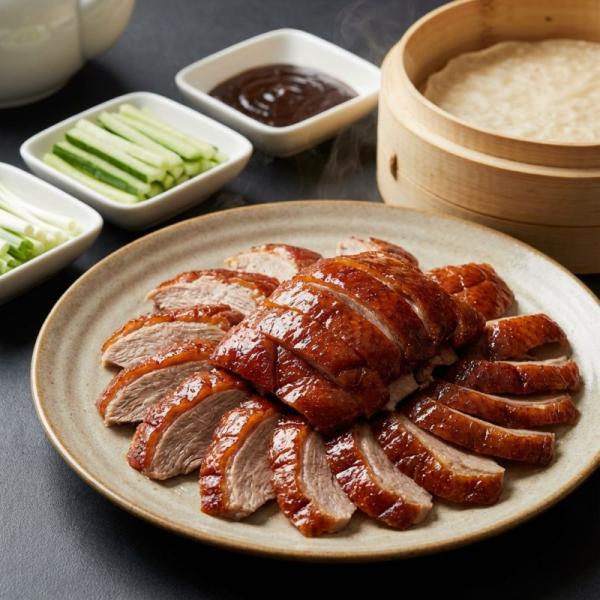
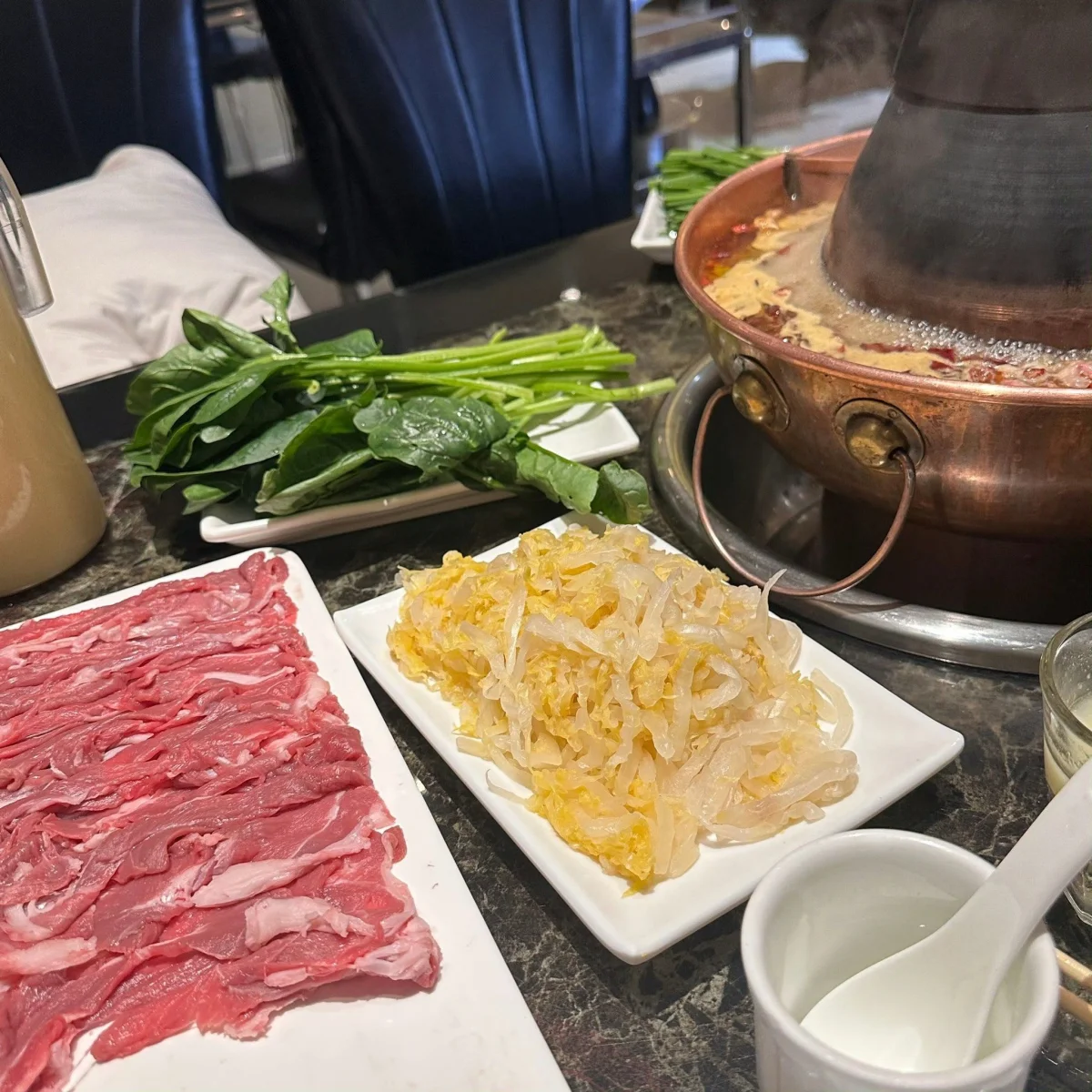
Peking duck and hotpot can be memorable, but they are not casual filler foods. They work best when you have time, appetite, and enough people to share. If you order a major shared dish too early in the day, it can make everything after it feel heavy.
Duck usually comes with pancakes, sauce, scallions, cucumber, and sometimes other side dishes. Hotpot brings broth, dipping sauce, meat, vegetables, tofu, mushrooms, noodles, and a slow meal rhythm. These are not foods to squeeze between two snack stops.
A good rule is simple: if the dish needs wrapping, dipping, cooking at the table, or sharing across several plates, treat it as the center of the meal. Do not add too many other heavy dishes around it.
Snacks: Use Them as Breaks, Not Extra Meals
Street snacks are useful because they let you taste something local without committing to a full restaurant order. Tanghulu, a small pancake snack, or a fried item can fit between meals. The mistake is treating snacks as additions to an already oversized lunch or dinner.
Think of snacks as breaks. If you had a heavy lunch, choose only a small sweet or crisp snack in the afternoon. If you plan to have duck or hotpot for dinner, do not spend the whole afternoon eating filling foods. Leave space for the meal that matters most.
Read Menu Photos for Portion Clues
Menu photos can help you avoid overordering if you look for format and portion signals. A single bowl usually means one person. A skewer usually means snack. A folded pancake may be breakfast or street food. A full table photo often means a shared meal. A pot, whole duck, or large platter should make you pause before adding more dishes.
The recent guide to reading Beijing food photos before ordering gives a practical checklist for deciding whether a photo shows a snack, noodle bowl, or full meal.
A Simple Ordering Formula
For one person, choose one main item and one small side if needed. A noodle bowl plus a small cold dish is usually enough. A breakfast pancake plus a warm drink is enough. A street snack does not need another snack immediately after it.
For two people, choose one shared main dish, one vegetable or cold dish, and one staple if necessary. If the main dish is duck or hotpot, be careful with extra meat or heavy sides.
For a group, variety makes more sense, but the same rule still applies: one center dish, a few supporting dishes, and a clear idea of whether noodles, rice, pancakes, or bread are already included.
Foods That Fill You Faster Than Expected
- Zhajiangmian: dense sauce and wheat noodles make it more filling than it looks.
- Jianbing: egg, sauce, and crispy cracker can be enough for breakfast.
- Peking duck: pancakes and side dishes add up quickly.
- Hotpot: meat, vegetables, tofu, and noodles arrive in stages, so order slowly.
- Baozi: a few buns can become a full meal if paired with porridge or soup.
Order Slowly When Possible
One of the best ways to avoid overordering is to order in stages. This is easy at hotpot restaurants and sometimes possible in casual places. Start with the main dish and one support item. If you are still hungry, add more later.
Even when you cannot order in stages, pause before adding another famous dish. Ask whether it belongs to the same meal or would be better tomorrow. Beijing food is easier to enjoy when you let each dish have its own moment.
The Goal Is Not a Checklist
A good Beijing food trip is not about finishing a checklist as fast as possible. It is about understanding when each food makes sense. Breakfast foods belong to the morning. Noodle bowls are useful for simple meals. Snacks work between stops. Duck and hotpot deserve time.
If you plan this way, you will taste more across several days and enjoy each meal more clearly. The best order is not always the biggest order. It is the order that fits your appetite, your group, and the next thing you want to do in Beijing.


Comments
Post a Comment