Sweet Shaobing or Majiang Shaobing? How to Choose a Beijing Bakery Breakfast
At a Beijing bakery counter, shaobing can look deceptively similar from a distance. Several round, sesame-speckled breads may sit on the same tray, yet one is meant to be nutty and savory while another is gently sweet and filled with red bean or a sweet sesame mixture. Choosing between them is less about finding the single best bread and more about matching the filling to the rest of your breakfast.
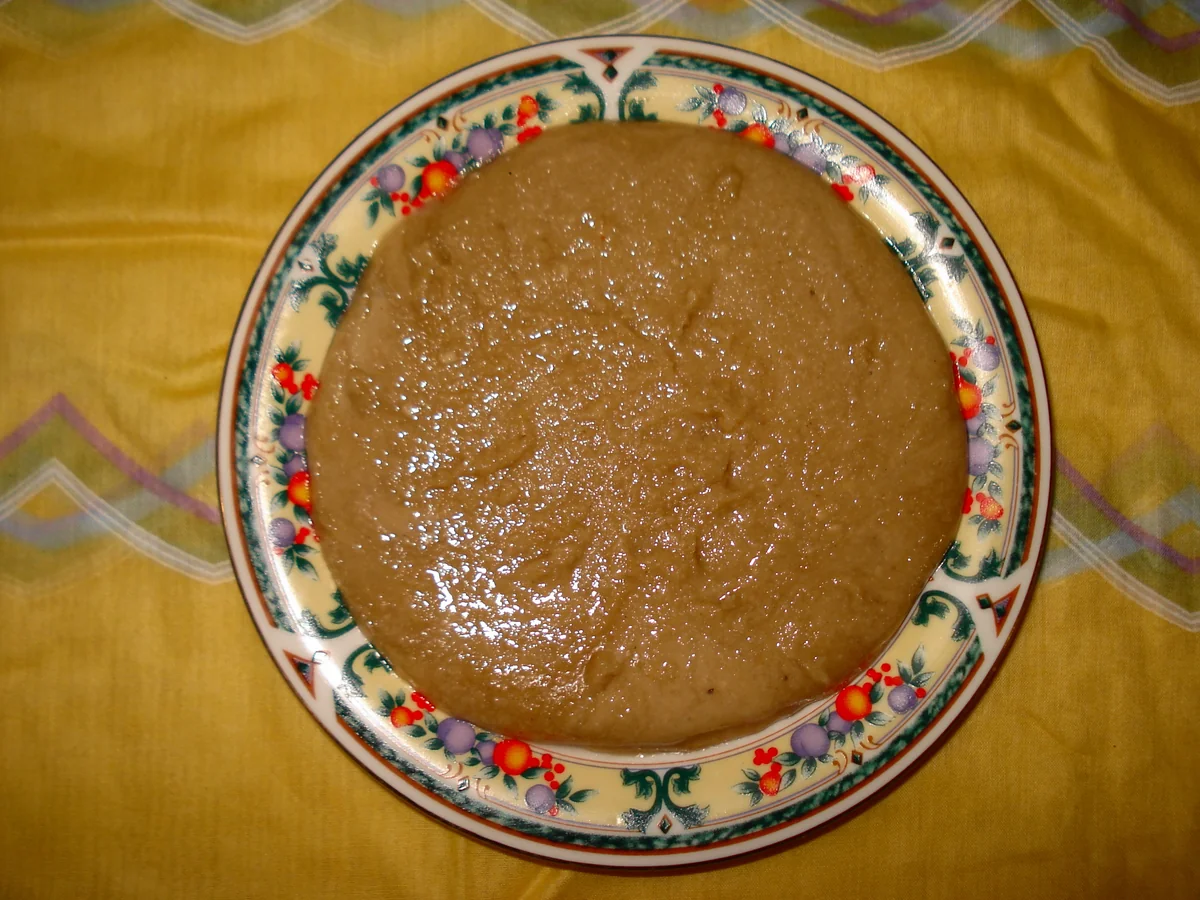
Choose majiang shaobing when you want a nutty, less-sweet bread
Majiang shaobing is built around sesame paste. The filling is fragrant, roasted, and slightly savory rather than sugary. Depending on the bakery, it may feel dense at first, but a good one breaks into thin layers and leaves a lingering sesame aroma. It is a strong choice when the rest of breakfast is soft or mild, because the bread adds both texture and depth.
This style is particularly good beside unsweetened soy milk, tea, or a savory tofu bowl. It can also be satisfying on its own if you are in a hurry, although a small drink helps with the rich sesame paste. The details in this Beijing majiang shaobing guide explain why the layered bread and roasted paste work so well together.
Choose sweet shaobing when you want a softer contrast
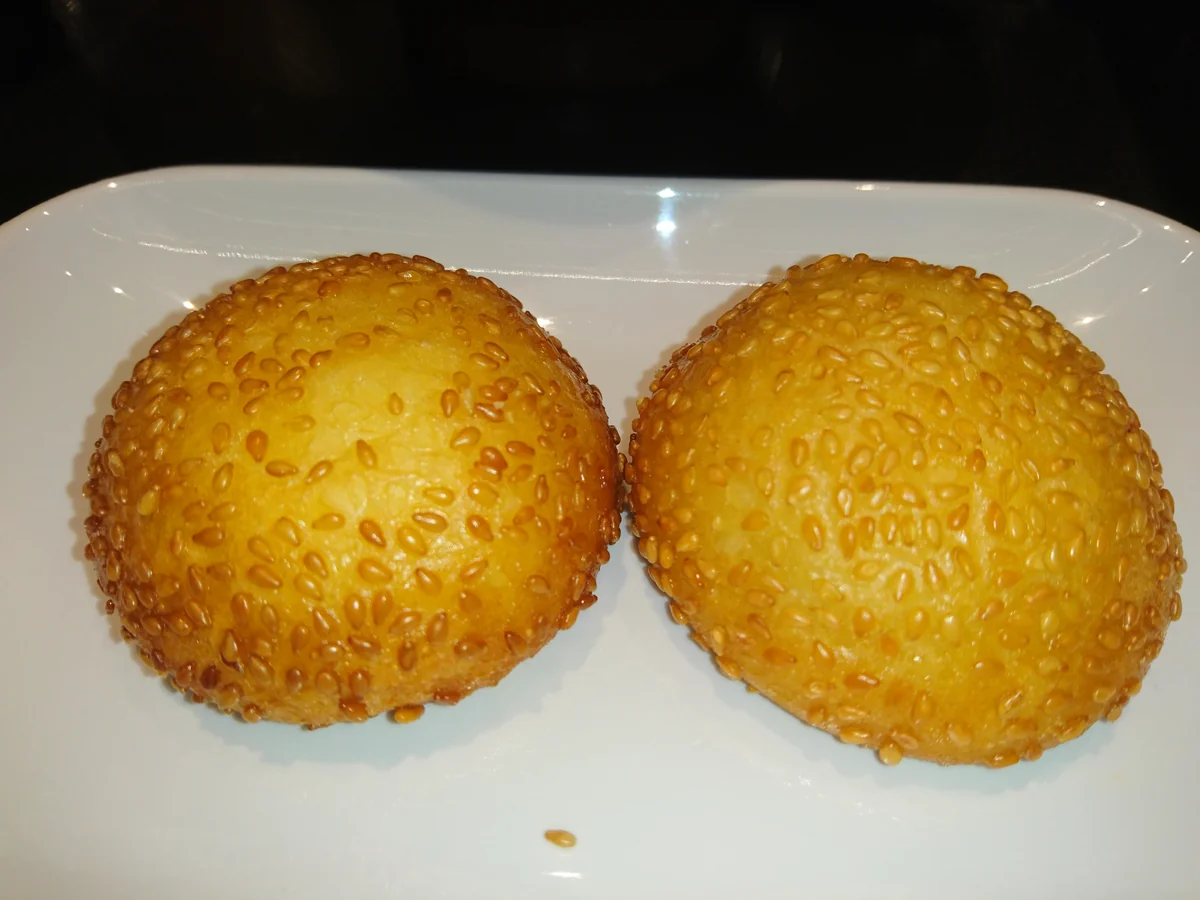
Sweet shaobing often uses red bean paste or a lightly sweet sesame filling. The bread can still have a crisp surface, but the center is smoother and more dessert-like than majiang shaobing. It works well for people who want a gentler first taste of a Beijing bakery breakfast, or for a group that wants to split both a savory and a sweet item.
Do not expect it to taste like a heavily iced pastry. The sweetness is usually restrained, and the sesame crust still matters. A fresh sweet shaobing should have a dry, crisp outside and a filling that stays inside the layers rather than leaking out. This guide to red bean and sweet sesame shaobing is useful when the bakery names are brief or only written in Chinese.
Use the rest of the table to decide
If you are ordering a soft, savory dish, majiang shaobing is usually the better counterweight. A bowl of doufunao or laodoufu has enough warmth and moisture to make the sesame bread feel balanced. Tear the bread into small pieces and alternate bites rather than letting it sit in the bowl until it becomes soggy.
If the table already has a spicy or sauce-rich breakfast, choose sweet shaobing for contrast. It can reset the palate between stronger bites without becoming a separate dessert course. That makes it especially practical when two people are sharing several small items instead of ordering a full plate each.
Do not order every kind of starch at once
A bakery breakfast can become heavy quickly. Shaobing is already layered and filling, so choose one other main item rather than adding baozi, jianbing, fried dough, and multiple breads at the same time. The general selection advice in how to choose shaobing in Beijing helps with freshness and pairings, while the food itself should decide how much more you need.
Jianbing is the main exception if you are splitting breakfast between two people. Because it is a complete crepe with sauce and fillings, one jianbing plus one shared shaobing can give the table more variety than two large breads. Use the choices in this jianbing filling guide to keep the crepe from becoming overly rich as well.
A simple first order
For one person, order either majiang shaobing with a savory drink or tofu bowl, or sweet shaobing with unsweetened tea or soy milk. For two people, order one of each and share. That comparison is the fastest way to learn which style suits you: majiang for the toasted, nutty side of Beijing breakfast, and sweet shaobing for a softer, calmer finish.


Comments
Post a Comment