How to Choose Shaobing in Beijing: Freshness, Fillings, and What to Eat It With
Shaobing is one of the easiest Beijing breakfast foods to notice and one of the easiest to misjudge. It may look like a small sesame flatbread in a bakery window, but the best version is meant to be warm, crisp at the edge, and useful as part of a larger breakfast rather than a meal that has to stand alone. A little attention at the counter makes the choice much simpler.
Start with the freshest-looking batch
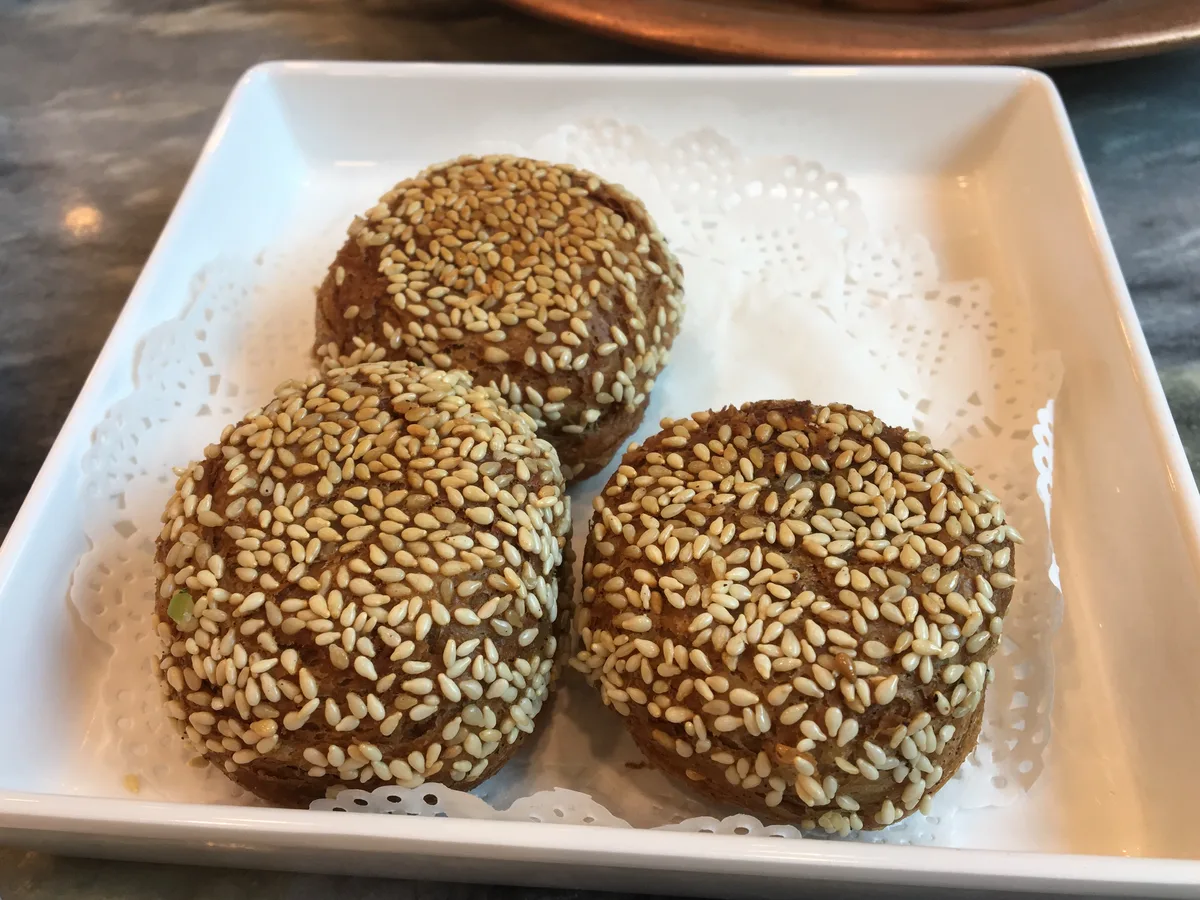
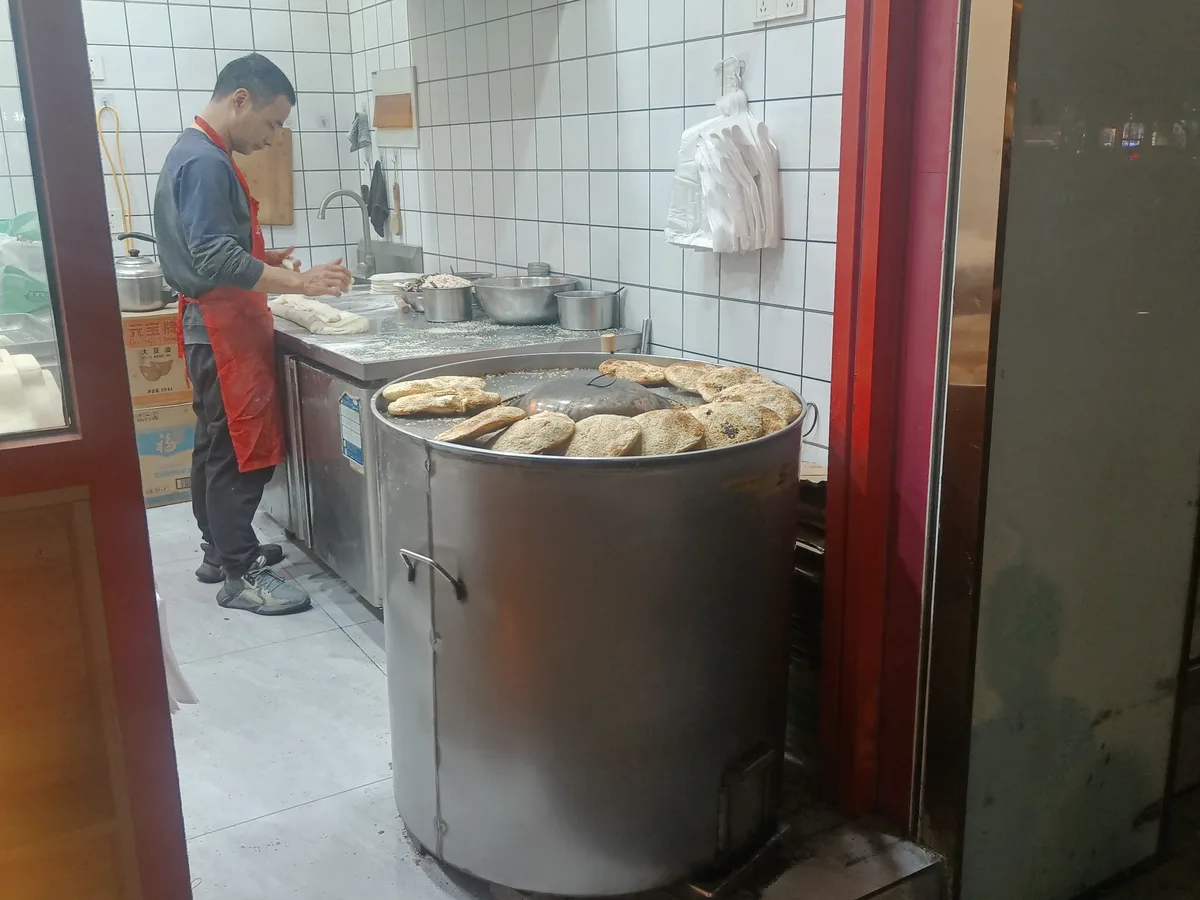
For plain sesame shaobing, freshness matters more than size. Look for a bread with sesame seeds still well attached, a dry-looking surface, and edges that appear lightly browned rather than pale and soft. At a busy breakfast shop, the best sign is usually simple: a fresh tray has just arrived or the baker is still taking breads from the oven. A warm shaobing should give slightly when pressed, then show a brittle outer layer instead of a dense, damp crust.
Do not assume that a darker bread is always better. Very dark spots can mean the surface has gone beyond toasted, especially on a thin bread. What you want is contrast: a fragrant, crisp exterior with enough interior layers to tear open easily. The fuller visual checklist in this guide to choosing fresh shaobing in Beijing is useful when several bakeries are selling similar-looking breads.
Pick the shape before you pick the filling
A round, flatter shaobing often works well beside a bowl or a hot drink because it is easy to tear and dip. A thicker or folded version can be more filling, but it may also be richer and drier. If you are ordering breakfast with only one companion dish, a plain sesame bread is a flexible choice. If you are already getting something substantial, such as noodles later in the morning, share one bread instead of ordering several on instinct.
Filling names can be brief on a menu, so ask what is inside if the display is not clear. Savory versions may contain beef, scallion, or sesame paste; sweeter ones may use red bean or a lightly sweet sesame filling. The filling changes what the bread needs alongside it. For example, a savory shaobing can carry a mild tofu bowl, while a sweet one is usually better with unsweetened soy milk or tea. For a clearer comparison of those combinations, see the main site's shaobing fillings and breakfast pairings guide.
Build a breakfast with contrast
Shaobing is at its best when it provides texture against something softer or more liquid. A bowl of doufunao or laodoufu is a particularly easy partner: the tofu is soft and savory, while the bread adds sesame fragrance and crunch. Break the shaobing into manageable pieces rather than dropping the whole bread into the bowl. That keeps the last bites from turning soggy.
It also works with a simple fried snack, although the balance matters. If you are deciding between jiaoquan and youtiao, remember that shaobing already brings a crisp, baked element. Choosing one fried item and one shaobing is usually enough for two people with a drink or soup. Ordering all three can make a light breakfast feel heavy very quickly.
A practical way to order at the counter
When the line is moving fast, use a short sequence: choose one warm-looking shaobing, point to the filling if needed, then add one soft or hot item. For one person, a plain shaobing plus tofu pudding or soy milk is often sufficient. For two people, two different fillings can be a good way to compare without ordering a full extra dish. If the shop also sells jianbing, keep in mind that it is already a complete, sauce-forward breakfast; this jianbing filling guide can help you decide whether to choose the crepe or save it for another morning.
The key is to eat shaobing promptly. Its appeal is the first few minutes after it leaves the oven: the sesame aroma is strongest, the outside stays crisp, and the interior still has a little steam. Once you treat it as a fresh bakery bread with a supporting role at breakfast, it becomes a much easier and more satisfying Beijing order.


Comments
Post a Comment