Why Chaogan Is Called Fried Liver in Beijing and How to Order It for Breakfast
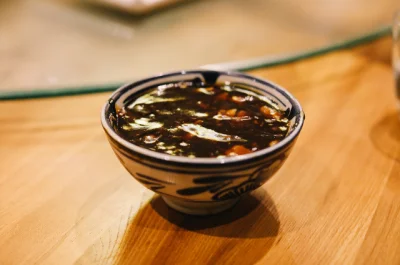
Chaogan is one of those Beijing breakfast names that can confuse visitors before the bowl even arrives. In English it is often translated as fried liver, but the dish does not look like a plate of fried liver. It is a thick, glossy, garlic-heavy breakfast stew with liver, intestine, starch-thickened gravy, and a texture that feels very different from noodles, buns, or porridge.
The name sounds direct, but the eating experience is more specific. Chaogan belongs to old-style Beijing breakfast shops, often near baozi, shaobing, youtiao, doufunao, and other morning foods. It is not a light drink and not a simple soup. It is a warm bowl that asks you to understand texture, garlic, and portion size.
Why the English Name Feels Strange
The phrase fried liver makes many people imagine dry slices of liver in a pan. Chaogan is not that. The Chinese name carries history and local usage, while the English translation only captures part of the ingredient story. The result is a dish that sounds one way and eats another way.
For a clearer explanation of the name, ingredients, and breakfast logic, this guide to why Chaogan is called Fried Liver in Beijing explains how the translation connects to the real bowl without making the dish sound simpler than it is.
What the Bowl Is Like
A bowl of chaogan is usually thick, savory, garlicky, and smooth in a way that can surprise first-timers. The gravy is important. It coats the spoon and holds the chopped liver and intestine pieces together. The flavor is not only about liver; garlic and the thickened base do a lot of the work.
If you expect a thin soup, it may feel heavy. If you expect a stir-fried dish, it may feel too soft. It makes more sense when you treat it as a breakfast bowl with its own role: warm, strong, and local.
Order a Small Bowl First
For a first try, a small bowl is enough. Chaogan can be filling, and the texture may take a few bites to understand. If you like it, you can always order it again another morning. If you do not, you have not built your entire breakfast around one unfamiliar bowl.
This is similar to the approach in the post on trying douzhi in Beijing for the first time: start modestly, pair it correctly, and do not turn a strong local flavor into a test you have to pass.
Pair It With Something Simple
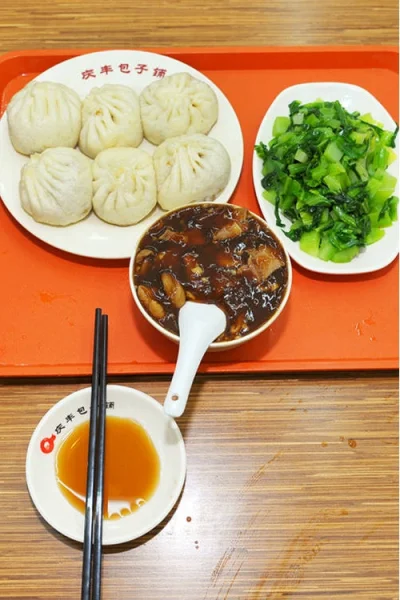
Chaogan often works well with baozi, a sesame cake, or another plain breakfast staple. The side should help you handle the thick gravy, not compete with it. A small bun or simple baked item gives contrast and makes the bowl easier to finish.
Avoid stacking too many strong foods around it. If you order chaogan, several fried items, a sweet drink, and another large breakfast main, the tray can become too much. The broader Beijing Breakfast Guide is useful for understanding how chaogan fits among douzhi, jianbing, baozi, shaobing, youtiao, and other morning foods.
Pay Attention to Texture
Texture is the main question. Some visitors enjoy the smooth, thick gravy right away. Others need time to adjust to the liver, intestine, garlic, and starch-thickened base. Neither reaction is unusual.
Take a small spoonful first. Try it with a bite of bun or sesame cake. Then decide whether you want more garlic, vinegar, or chili if the shop offers condiments. Do not add too much before you know how the bowl tastes on its own.
Use Photos Carefully
Chaogan photos can be hard to read because a bowl may look like a plain brown gravy from above. The important details are thickness, garnish, spoon texture, and what sits beside it. A photo does not always show how strong the garlic is or how the liver pieces feel.
The earlier post on reading Beijing food photos before ordering applies well here because chaogan is one of those foods where the visible surface tells only part of the story.
How It Differs From Tofu Breakfast Bowls
Chaogan and tofu breakfast bowls may both arrive in a bowl with a spoon, but they feel very different. Doufunao and laodoufu are softer and usually easier for first-timers. Chaogan is stronger, thicker, and more clearly tied to liver, intestine, and garlic.
If you want a gentler breakfast, start with tofu. If you want something more old Beijing and more distinctive, chaogan is worth trying. The recent post on choosing doufunao or laodoufu for Beijing breakfast gives a useful comparison point before moving into stronger bowls.
When Chaogan Makes Sense
Chaogan makes sense when you have time to sit down and eat slowly. It is not ideal if you need to walk while eating or rush to a train. It is better in a breakfast shop where you can taste the bowl, use a spoon, and pair it with something simple.
It also makes sense when you want to understand local breakfast beyond the most familiar choices. Baozi and jianbing are easier introductions, but chaogan shows a different side of the morning table.
A Safe First Order
Order a small bowl of chaogan and one simple side. Do not add too many fried foods or a second heavy main. Taste the gravy first, then use the side to balance the texture. If the bowl feels strong, slow down rather than forcing large bites.
If you are eating with someone else, sharing the first bowl can be a good idea. It turns the dish into a low-pressure tasting instead of a full breakfast commitment.
The Main Rule
Do not judge chaogan by the English name alone. It is not a simple fried liver plate; it is a thick Beijing breakfast bowl built around garlic, liver, intestine, and gravy. Order it small, pair it simply, and give the texture a few bites before deciding.
Handled this way, chaogan becomes much easier to understand. It may not be the easiest Beijing breakfast, but it is one of the most revealing.


Comments
Post a Comment