How to Order Baozi for Breakfast in Beijing Without Guessing the Filling
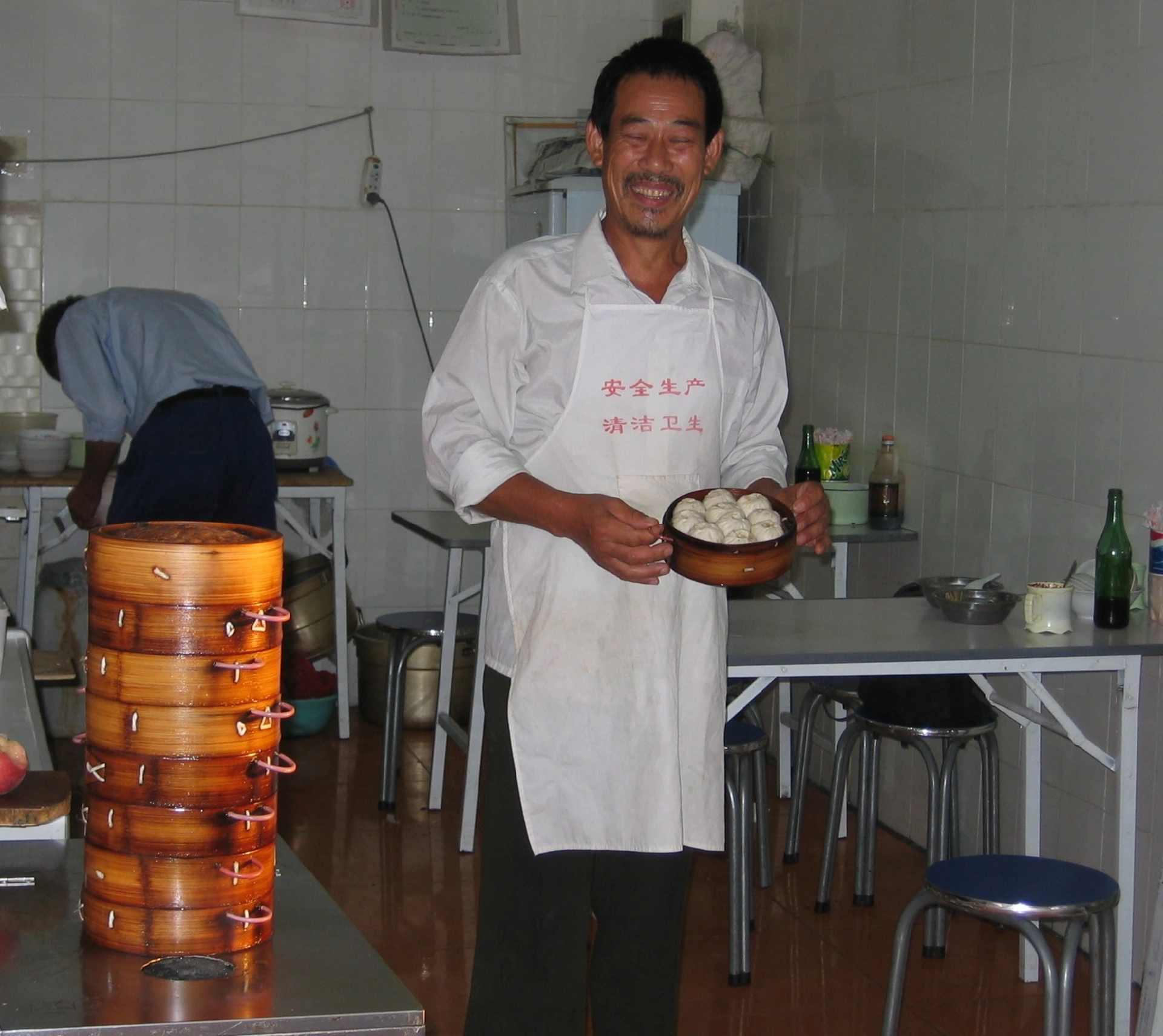
Baozi are one of the easiest Beijing breakfasts to find, but they are not always easy to order if you cannot read the filling names. A tray of steamed buns may look simple from the counter, yet the difference between pork, beef, lamb, cabbage, chive, mushroom, egg, and sweet fillings matters once you take the first bite.
The good news is that baozi ordering follows a predictable rhythm. You do not need to understand every character on the menu. If you know how breakfast shops display buns, how people order by filling and quantity, and what side items usually sit nearby, the meal becomes much easier.
Start With the Shop Type
Most simple breakfast shops sell baozi from a steamer stack or a front counter. Some shops specialize in steamed buns, while others sell baozi alongside soy milk, porridge, doufunao, youtiao, shaobing, eggs, or small cold dishes. The more casual the shop, the faster the ordering flow usually is.
If there is a line, watch two or three customers before you order. Notice whether people point at the steamer, say the filling, or ask for a mixed bag. This quick pause can help more than staring at the whole menu.
Look for Filling Clues First
The most important question is not how many buns to buy. It is what is inside them. Common savory fillings include pork and scallion, beef, lamb, cabbage, chive and egg, mushroom, or mixed vegetables. Sweet buns may have red bean paste, sesame paste, or other fillings, but they are less likely to be the main breakfast choice for everyone.
If the shop has labels, look for repeating words. Meat fillings may include pork, beef, or lamb. Vegetable fillings may include cabbage, chive, mushroom, or egg. If you are ordering by pointing, confirm with a short question or gesture before the staff puts buns in a bag.
For a fuller breakdown of common fillings, freshness signs, and shop habits, the Beijing Baozi Guide is the most useful place to compare the main options before you go.
Order a Small Mix First
If you are not sure what you like, order two or three buns instead of a large bag. Baozi are filling because the dough is soft and dense, and the filling may be oily or rich. Two buns with a warm drink can be enough for a light breakfast. Three or four can become a full meal.
This is where a simple food-day rhythm helps. The earlier post on planning a simple Beijing food day is useful because breakfast should leave room for lunch, snacks, and dinner rather than becoming the whole day.
Do Not Ignore the Side Drink
Baozi are better with something warm. Soy milk, millet porridge, doufunao, or a light soup can make the meal feel more balanced. If the filling is salty or rich, a plain drink works well. If the buns are vegetarian or lighter, a stronger side can make the meal more satisfying.
Some visitors focus only on the buns and forget that Beijing breakfast is often built from small combinations. A bun plus soy milk is different from a bun plus doufunao, and both are different from a larger tray with fried dough or porridge.
Use the Menu Without Needing Every Word
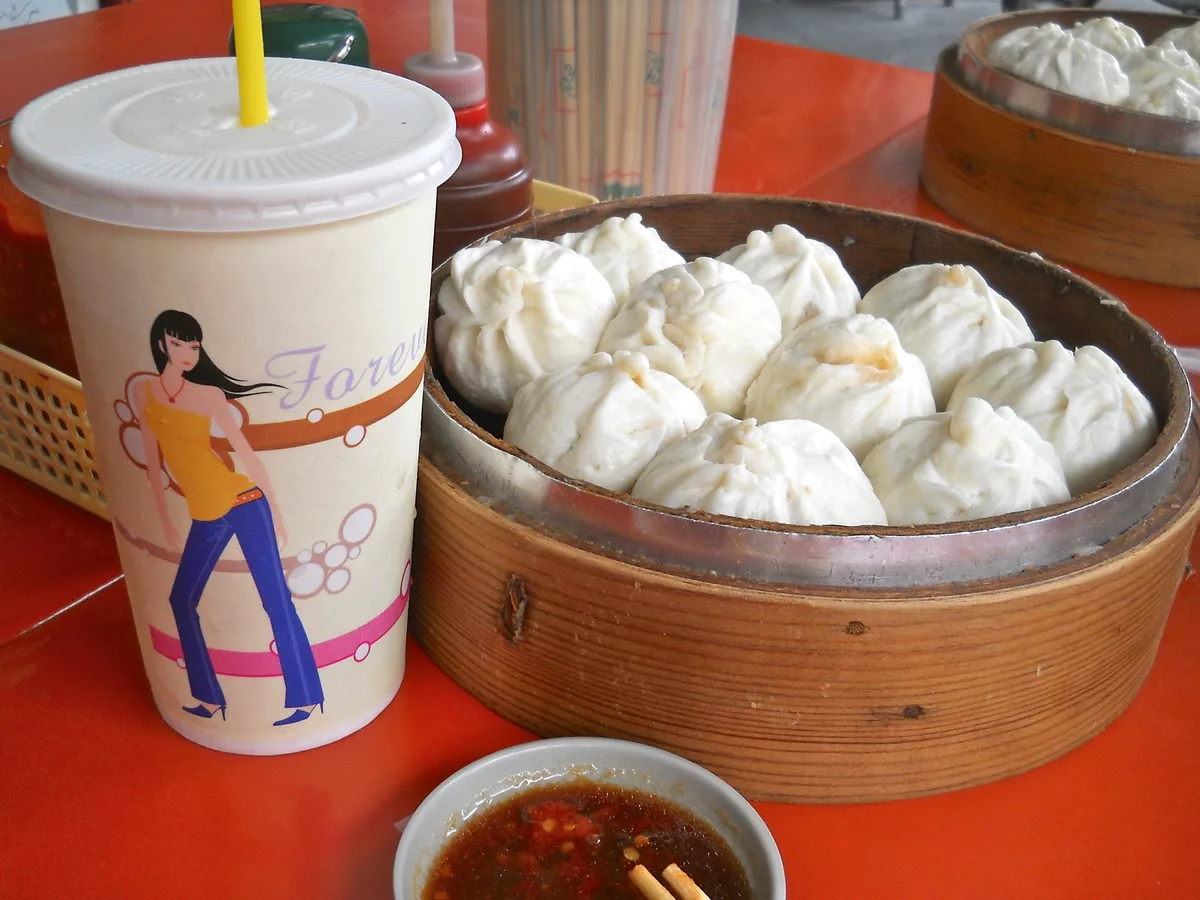
If the menu has photos, use them carefully. A photo may show the bun shape, but it may not clearly show the filling. Cut-open photos are more useful because they reveal meat, vegetables, egg, or sauce. Whole-bun photos mostly tell you size and serving style.
The post about using a Beijing food menu when you do not read Chinese applies well here: match photos, repeated characters, price lines, and staff gestures instead of relying on one clue.
Know When Baozi Fits the Morning
Baozi are best when you want a fast, warm, practical breakfast. They are easier than a sit-down noodle bowl and more filling than a small snack. They also travel well if the shop packs them in a bag, although they taste best soon after steaming.
If your morning includes a long walk, museum visit, or train ride, baozi can be a good choice because the meal is quick and predictable. If you plan to try several breakfast foods in one morning, keep the baozi order small.
For the wider breakfast context, the Beijing Breakfast Guide explains how baozi fit alongside douzhi, jianbing, shaobing, youtiao, chaogan, and other morning foods.
How Many Should You Buy?
For one person, two buns and a drink is a safe start. If the buns are small, add one more. If they are large or meat-heavy, two may be enough. For two people, a mixed order of four to six buns lets you compare fillings without committing to one large bag.
Do not buy too many just because the price is low. Baozi cool down, the dough becomes heavier, and a breakfast that seemed convenient can turn into leftovers you carry around. The post on what to order for a first Beijing breakfast is a good reminder to keep the first morning simple.
The Main Rule
Order baozi by filling first, quantity second. Start small, add a warm drink, and watch how the shop handles the line. Once you understand those three things, baozi become one of the most reliable Beijing breakfasts.
You do not need to guess every bun on the tray. You only need enough clues to choose one or two fillings that fit your morning.


Comments
Post a Comment